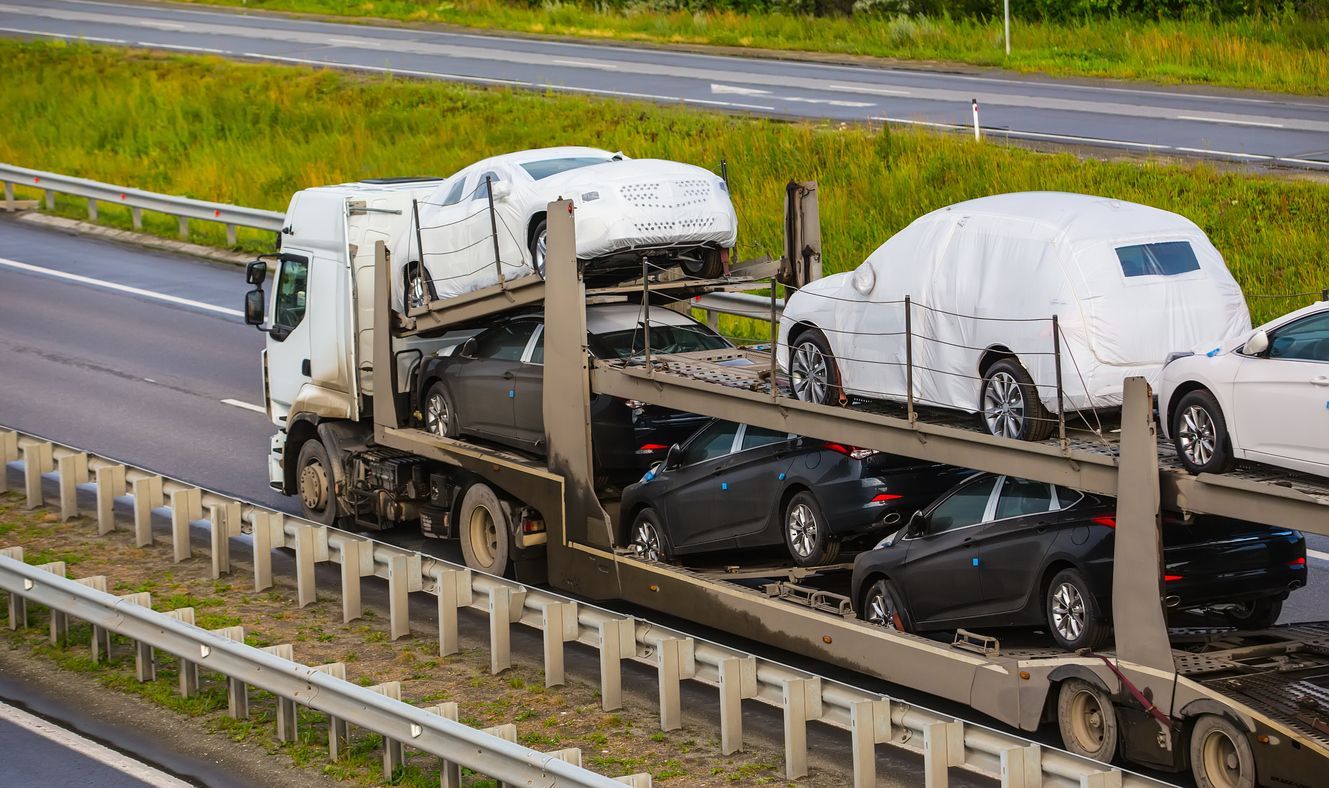
Finished Vehicle Logistics
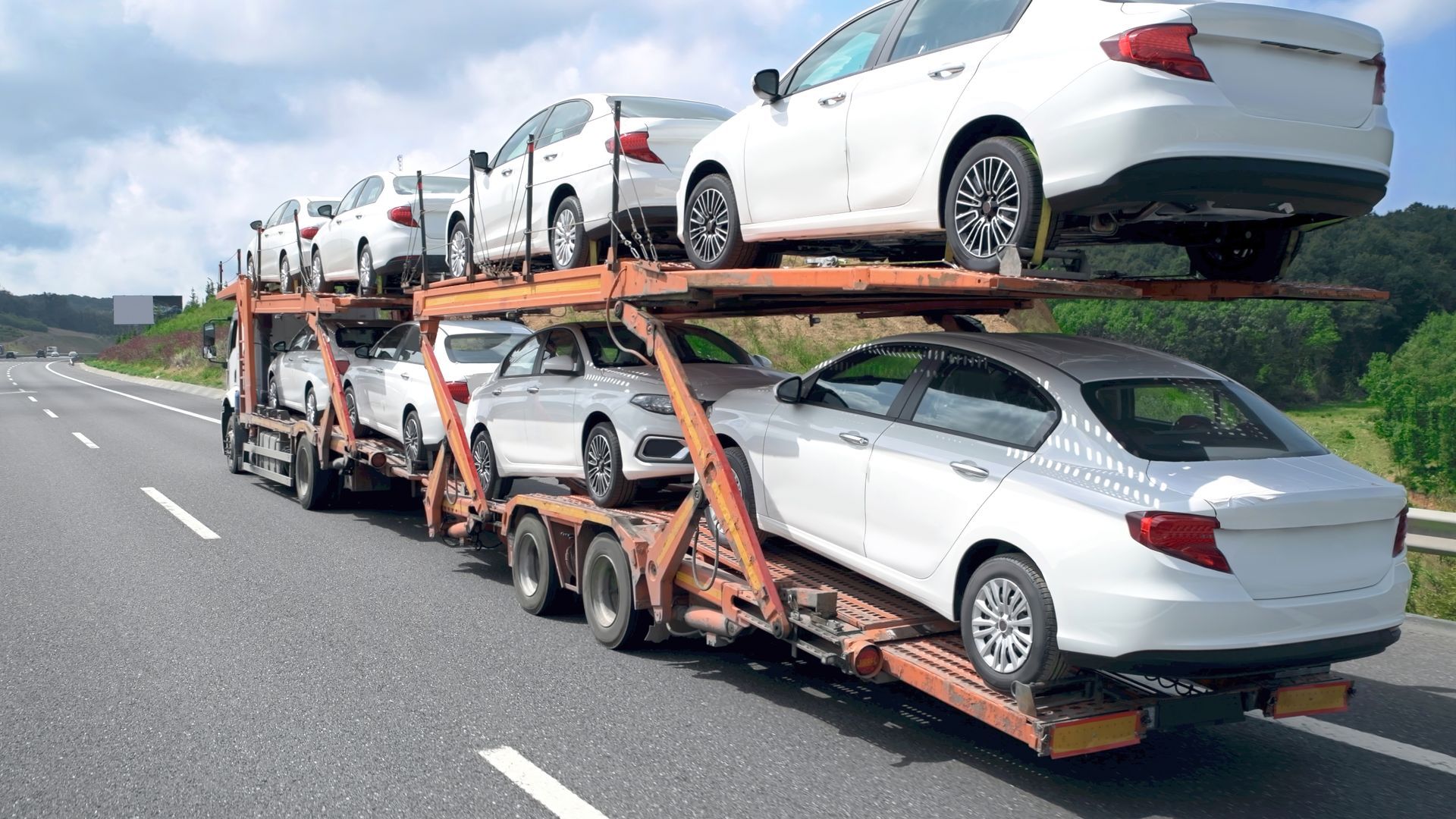
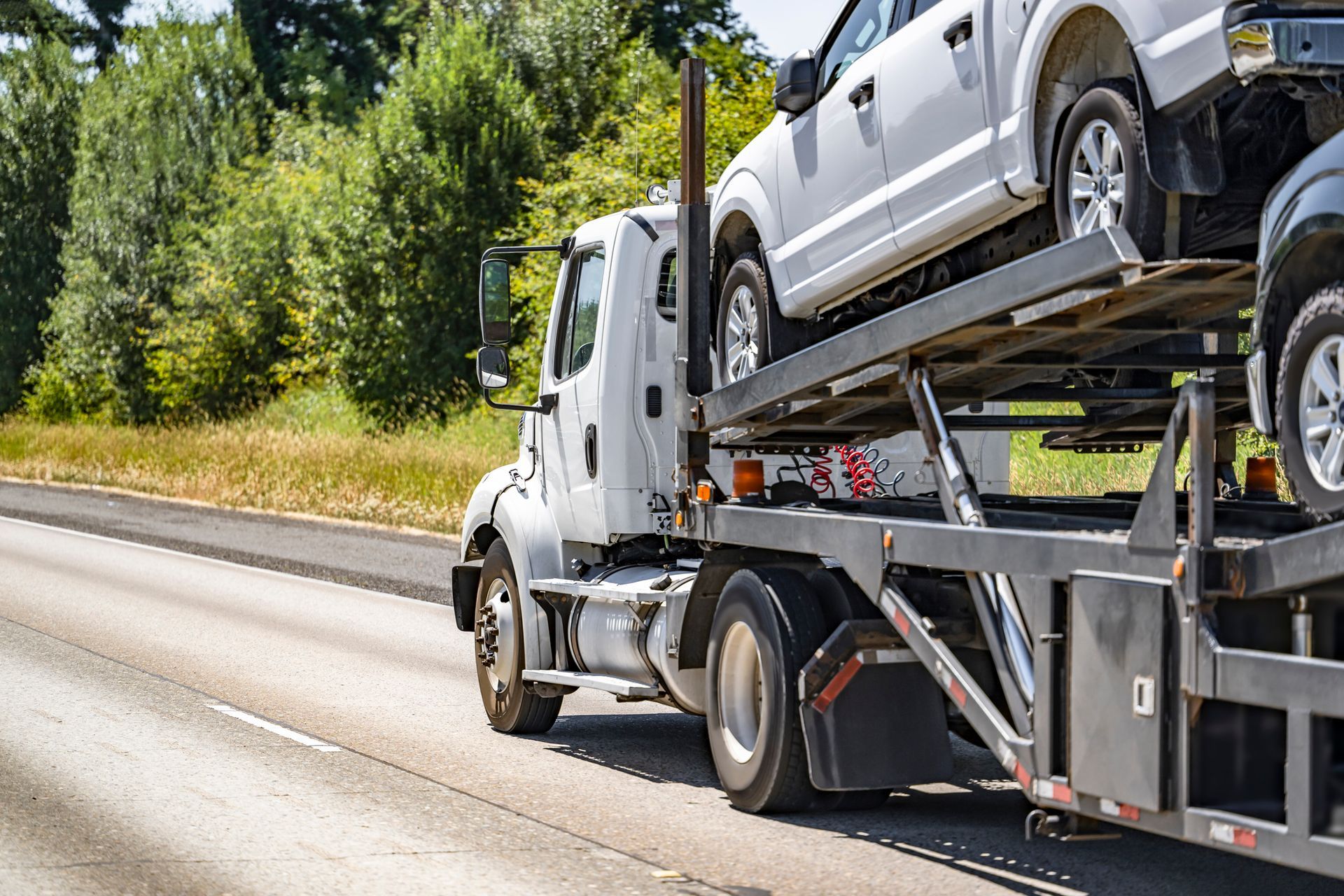
Finished vehicle logistics (FVL) refers to the process of transporting completed vehicles from manufacturers, ports, auctions, rail yards, and storage facilities to dealerships, fleets, or final destinations.
As vehicle transportation operations become more complex, finished vehicle logistics plays a major role in maintaining visibility, efficiency, and communication across the supply chain.
From dispatching and inspections to delivery documentation and real-time updates, transportation companies managing finished vehicle logistics operations need systems that can support fast-moving and detail-oriented workflows.
What Does Finished Vehicle Logistics Include?
Finished vehicle logistics operations often involve:
- Vehicle dispatching and transportation coordination
- Driver communication and trip visibility
- Vehicle inspections and damage documentation
- ePOD (electronic proof of delivery)
- Customer notifications and status updates
- Reporting and operational tracking
- Integration between dispatch, operations, and accounting workflows
Because many transportation operations are managing large volumes of vehicles across multiple locations, maintaining operational visibility is critical.
Why Visibility Matters in Finished Vehicle Logistics
One of the biggest challenges in finished vehicle logistics is maintaining accurate communication and real-time operational visibility.
Transportation companies need the ability to:
- Track trips and deliveries
- Document vehicle conditions
- Upload photos and inspection details
- Communicate between dispatch, drivers, and customers
- Quickly adapt to operational changes
Without the right systems in place, delays, disconnected communication, and manual processes can slow operations down significantly.
The Importance of Flexible Transportation Software
Not every transportation company operates the same way.
Many transportation management systems (TMS) are rigid and difficult to adapt as operational needs evolve. Finished vehicle logistics operations often require flexibility across:
- dispatch workflows
- reporting
- inspections
- notifications
- customer communication
- accounting integrations
That flexibility becomes especially important when managing high-volume or detail-oriented transportation operations.
How GoPhore Supports Vehicle Transportation Operations
GoPhore helps transportation companies streamline operational workflows through tools like:
- dispatch management
- driver communication
- real-time trip visibility
- ePOD functionality
- photo documentation
- damage tracking
- operational reporting
- QuickBooks integration
The platform is designed to support flexible transportation workflows while helping teams maintain visibility across daily operations.
Final Thoughts
As transportation operations continue evolving, finished vehicle logistics requires more than just basic dispatching tools. Visibility, documentation, communication, and operational flexibility all play a major role in keeping vehicle transportation workflows running efficiently.
Looking for transportation software designed to support modern vehicle logistics operations? Contact GoPhore today to learn more about our transportation management solutions.

Technology, transportation, leadership, and life on the road. Niles Schambers shares real-world insights from the finished vehicle logistics industry as Vice President of GoPhore Auto Carrier Software.