Finished Vehicles Logistics: A Peaking Industry?

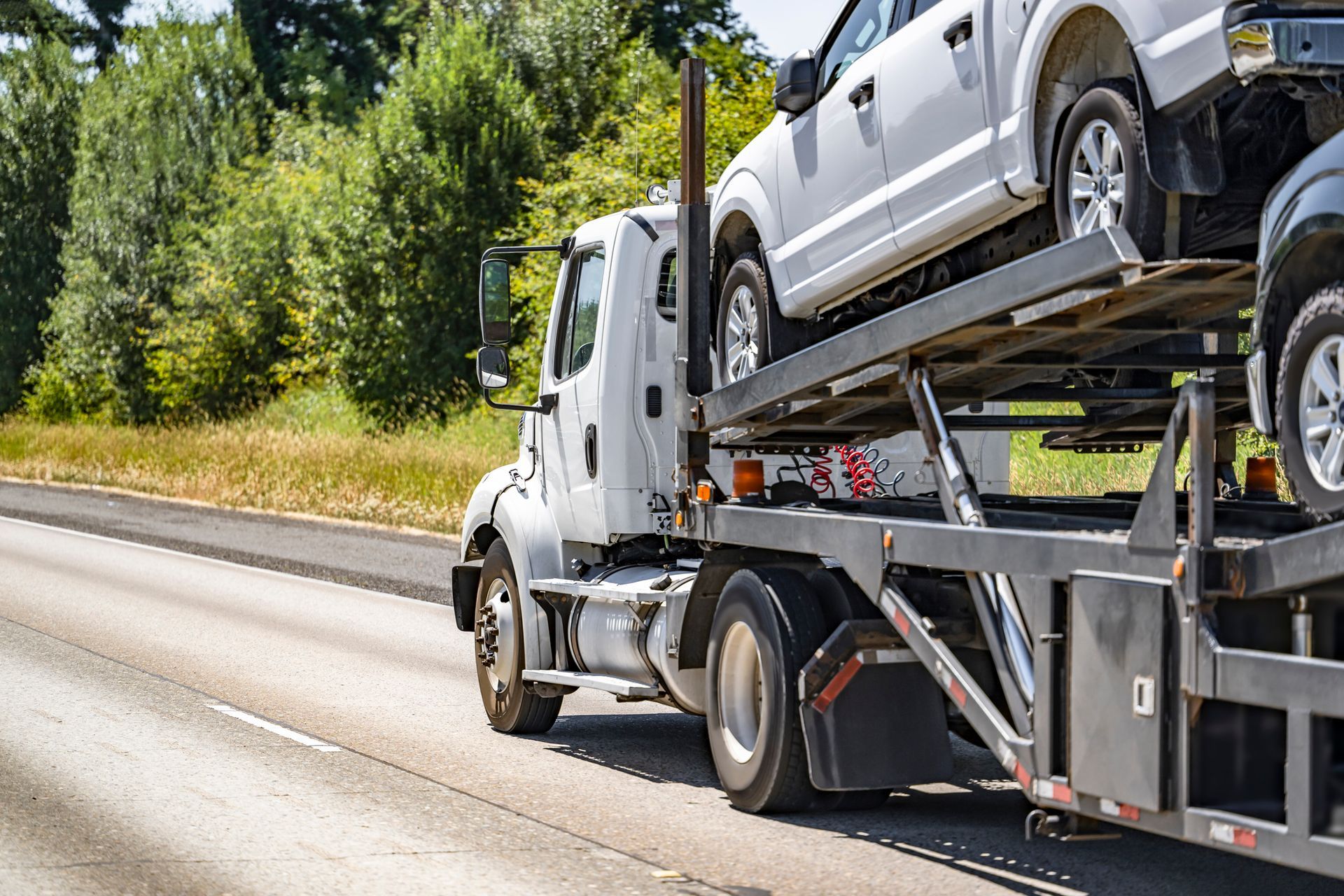
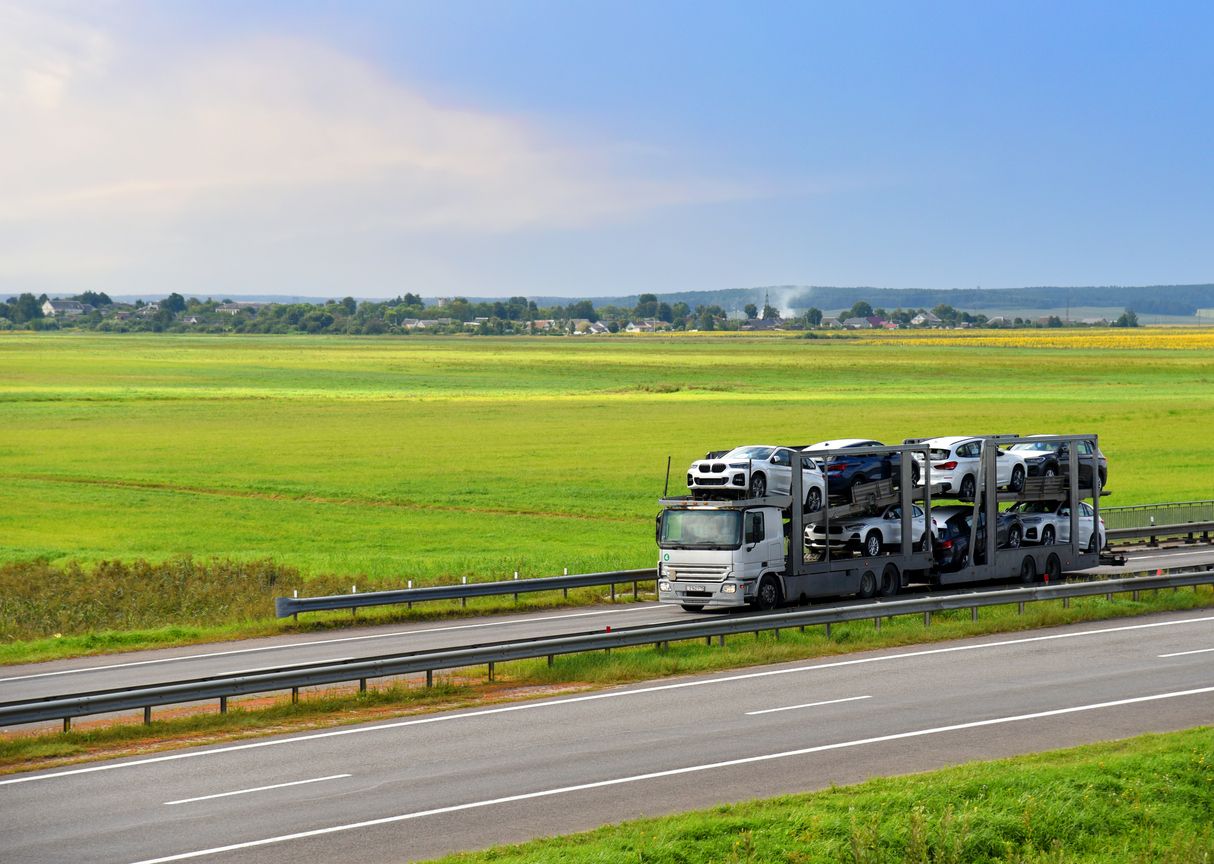
Although it is a staple of the modern transportation industry, finished vehicle logistics continues to represent a unique approach to handling damages and hold management. For those who may not be familiar with this term, finished vehicle logistics refers to all of the activities taking place after a new consumer vehicle leaves the factory until the point when it reaches the dealer.

Generally speaking, the main activities involved in this process include the storage, post-production modifications and/or pre-delivery inspections that occur before delivering the final product (in this case automobiles) to the customer.


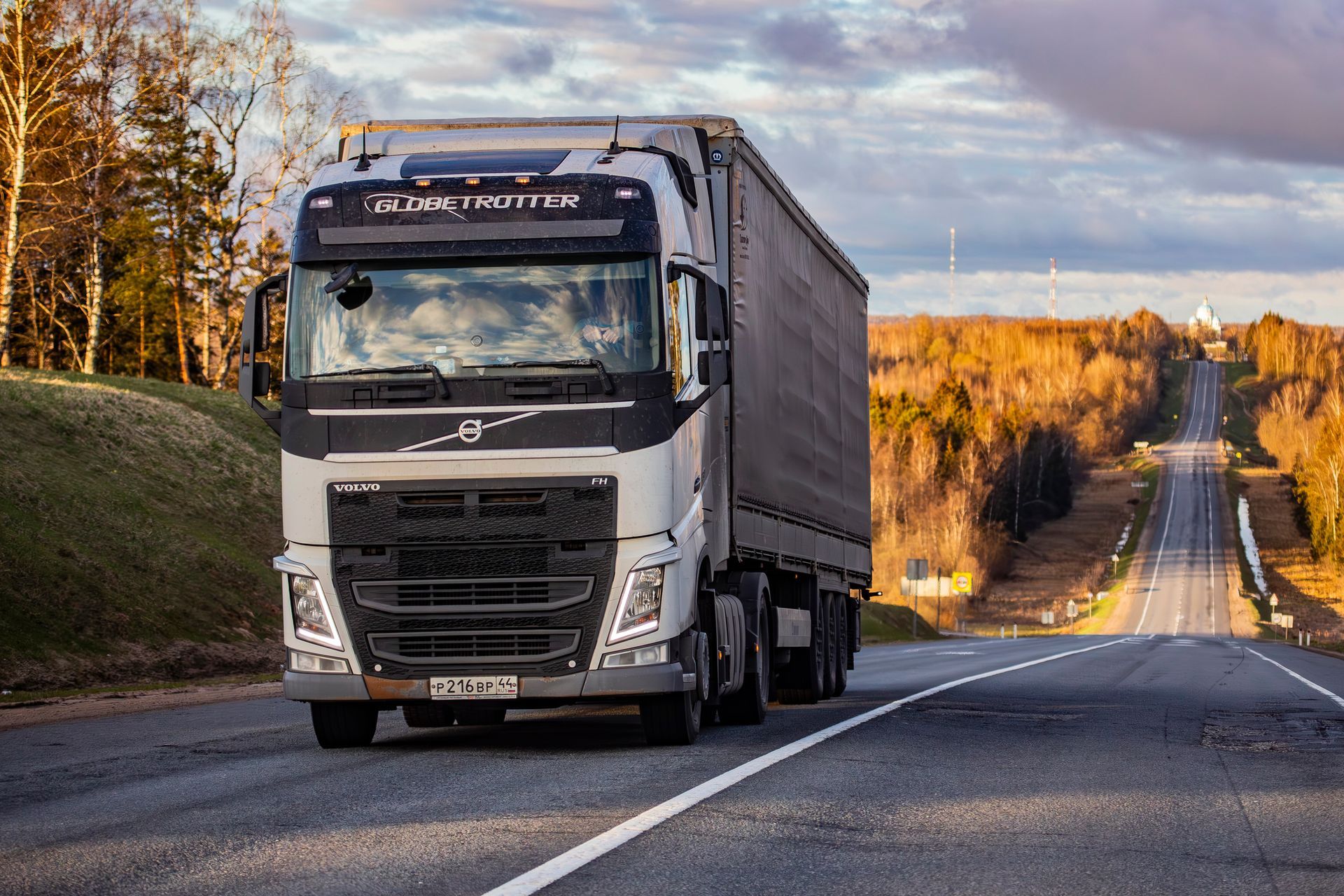
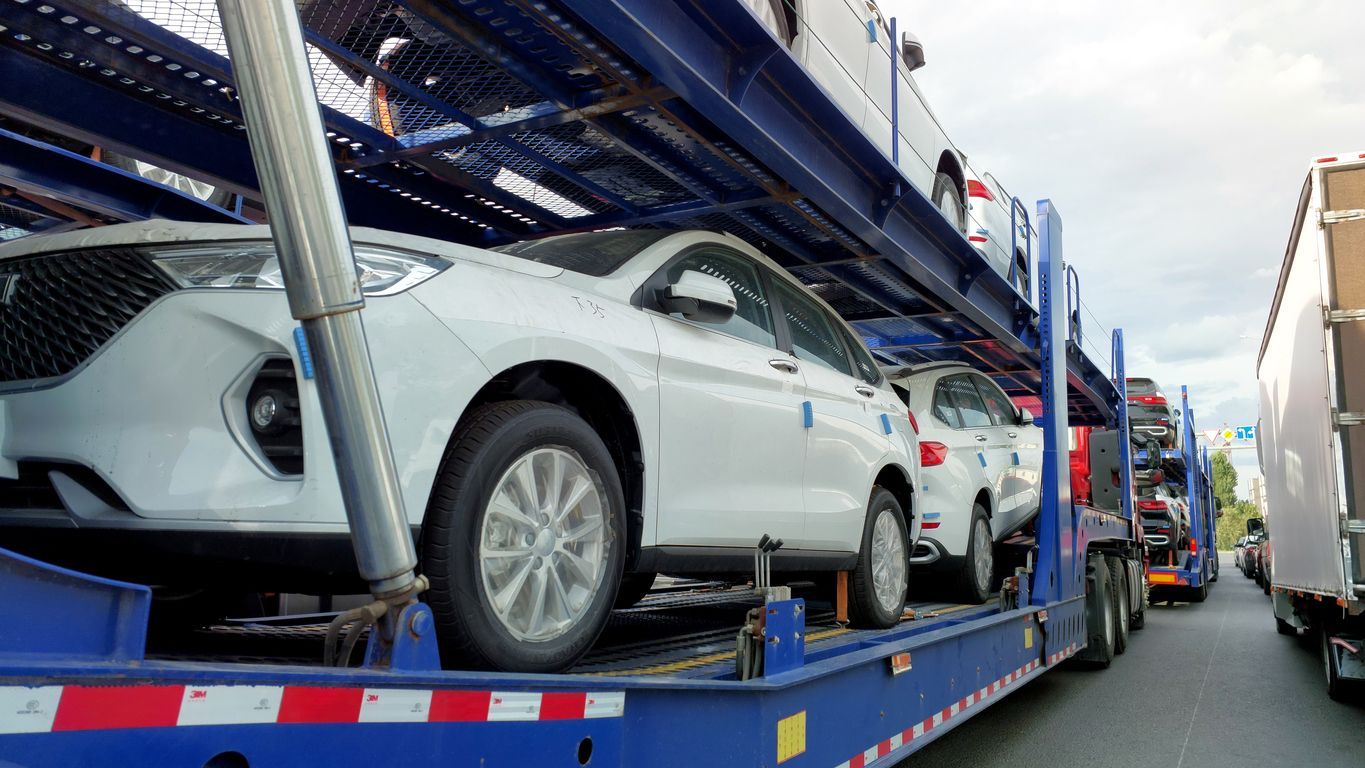
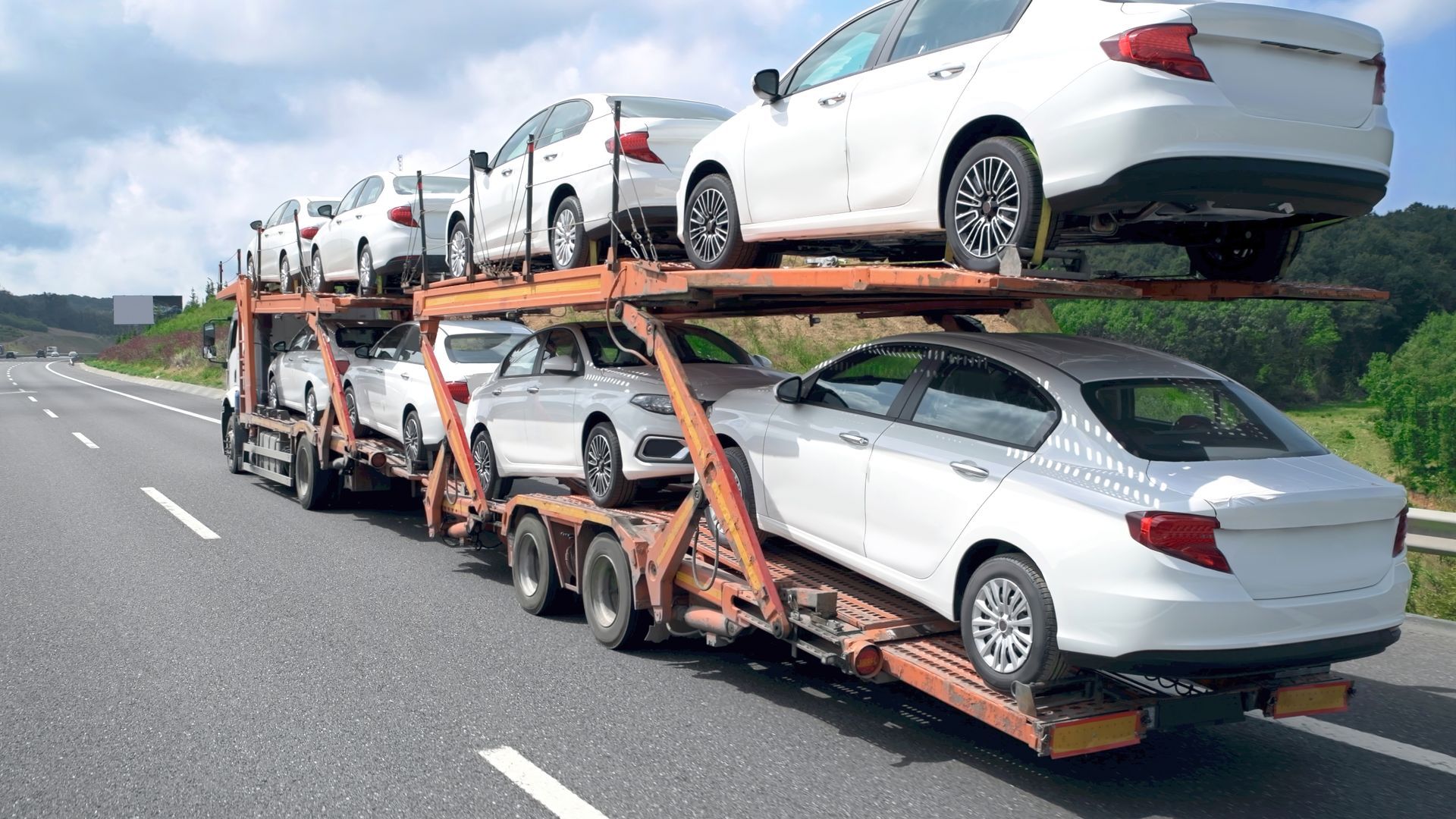
Due to such a meticulous shipping process, finished vehicle logistics relies heavily on specialized storage, workshops, and transportation especially. This means that the trucks and trailers designed to handle these orders also need drivers who are able to handle these orders amidst the high risk of damaging the product.


How Damages Arise in Finished Vehicle Logistics


When we’re talking about finished vehicles, it’s not uncommon for the conversation to enter into international markets. Considering that no consumer car in America is completely sourced and assembled in the United States (sorry to break it to you), the logistics behind finished vehicles is an increasingly complex and dynamic topic.

Cars and their parts can come from multiple places around the globe, so it’s no surprise that damages mostly occur when they’re being handled. Whether driving on and off of the various modes of transport or just between different storage compounds, errors are often quite pricey.


Any number of damages can occur during the shipping process, each with their own specific code and in-depth description. But besides the obvious factor of human error, adverse water conditions (especially hail) and airborne contamination from industrial areas also present significant risks for finished vehicle shippers and their customers.

Even the smallest damage to a vehicle can have a disproportionately negative effect on the overall cost of the process. Any needed repairs, even if relatively minor, ultimately delay the delivery and can eventually end up hurting the manufacturer’s reputation – a sort of “supply-chain reaction” if you will.


North American Conferences on an International Industry


With the past 7 years have seen recovery and growth for the industry, the recent Finished Vehicle Logistics North America conference brought top leaders together to reflect and look toward the future.


Held in Newport Beach, California, the conference came at a time when production volume and sales continue to climb, fuel costs are low, and service levels in both rail and truck transportation are high – a great time to be in the industry.

PwC Autofacts’ recent predictions call for sales to reach nearly 17.8 million units this year due to the shift toward more people buying SUVs, crossovers, and trucks. Meanwhile, mid-sized sedans and small cars have actually shown a decline. This basically means that the bigger the product, the more shipments companies in the finished vehicle transportation industry get to make – and that means more money.


Though despite years of an exceptionally healthy market, many analysts are skeptical as to how long this good fortune is going to last. Some fear that the U.S. vehicle market may soon be approaching a peak, leading to several years of stagnating or even declining sales. The true question is how prepared carmakers and their logistics providers may be able to handle a future downturn.


As Chairman of Jack Cooper Holdings, Sarah Amico aptly noted, “downturns give us the chance to eliminate waste, to acquire new business, to tighten operations and drive innovation by way of necessity.”


Hopefully, things will remain vibrant for this critical portion of the transportation industry, although it would seem that many are already preparing for the worst despite the best of times.


For now, logistic companies dealing with finished vehicles can enjoy a growing industry and healthy numbers, made more efficient with technology every day.

Book a Demo
A bald man with a beard is smiling in front of a green hedge.

Niles Schambers is here to bring you fresh content. Including but not limited to Technology, Driver well-being, management and life hacks. Niles is the Vice President at Auto Carrier Software.

January 7, 2026
How Digital ePODs Revolutionize Car Hauling Efficiency In the auto transport world, every detail matters. A missed signature, unclear damage documentation, or lost delivery receipt can snowball into costly claims and unhappy customers. That’s why more and more car haulers are turning to digital solutions like GoPhore to streamline their proof of delivery process. GoPhore’s mobile-first platform replaces outdated paperwork with electronic proof of delivery (ePOD) tools that give your drivers, dispatchers, and customers real-time visibility and confidence at every step of the delivery journey. Goodbye Paper. Hello Precision. Forget the clipboards, paper BOLs, and smudged ink. With GoPhore, drivers can log deliveries from their phones or tablets in seconds. They simply scan the VIN barcode, complete an inspection checklist, upload damage photos, and collect signatures—all from the app. Each action is tied to a timestamp and geolocation, eliminating guesswork or disputes. Damage Disputes? Not Anymore. GoPhore supports AIAG-compliant vehicle inspection processes, including Red Light / Green Light indicators and photo-based annotations. If damage is present, drivers can tag it right on the vehicle image, ensuring clarity and consistency. This documentation reduces claims by providing irrefutable evidence of a vehicle’s condition at the time of pickup or drop-off. Faster Claims, Better Reputation. Because GoPhore creates a full digital trail, insurance claims become faster and easier to resolve. No more chasing drivers for paperwork or dealing with inconsistent reporting. Everything you need is stored securely in the system and backed up in the cloud. Customers Stay in the Loop GoPhore automatically notifies customers with pickup confirmations, delivery updates, and ETAs via text or email. This not only saves your team from fielding “Where’s my car?” calls—it improves your reputation for transparency and professionalism. Ready to modernize your deliveries? GoPhore’s digital ePOD system is more than a convenience—it’s a competitive advantage. 👉 Book a demo today to see it in action and make lost paperwork a thing of the past.
December 29, 2025
In auto transport, profitability is often associated with fuel costs, equipment, and driver availability. While those factors matter, the real determinant of profit or loss usually sits at the center of daily operations: dispatching. Dispatching is not just about assigning loads. It is the system that connects vehicles, drivers, routes, and time. When done well, it maximizes revenue from every mile driven. When done poorly, it quietly drains margins through inefficiency, wasted time, and missed opportunities. Dispatching Controls Revenue Per Mile Every load decision affects how much revenue a carrier earns per mile. A dispatcher choosing the right driver for the right load at the right time can increase utilization without adding trucks or drivers. Smart dispatching ensures: Drivers are consistently moving, not waiting Loads are grouped efficiently by location and destination Routes reduce empty or deadhead miles When dispatch decisions are based on real-time data instead of guesswork, carriers can move more vehicles with the same resources. That is direct revenue growth without increased overhead. Poor Dispatching Creates Hidden Costs Many auto transport companies underestimate how much poor dispatching costs them. These losses rarely show up as a single line item, but they compound every day. Common hidden costs include: Drivers sitting idle between loads Extra fuel spent on inefficient routing Missed pickup and delivery windows Overtime pay caused by poor scheduling Customer dissatisfaction leading to lost repeat business Each of these issues traces back to dispatch visibility. Without accurate, real-time information on vehicle availability, driver schedules, and destinations, dispatchers are forced to react instead of plan. Real-Time Data Turns Dispatching Into a Profit Engine Modern dispatching platforms transform dispatch from a reactive task into a strategic advantage. With live data, dispatchers can see the full operational picture before assigning loads. Real-time dispatching allows carriers to: Match loads to drivers based on location and availability Adjust routes instantly when conditions change Balance workloads across drivers Avoid overbooking or underutilizing capacity Instead of managing problems after they occur, dispatchers can prevent them altogether. The result is smoother operations and stronger margins. Better Dispatching Improves Driver Retention Driver turnover is expensive. Recruiting, onboarding, and training new drivers costs time and money. Dispatching plays a major role in whether drivers stay or leave. Clear routes, realistic schedules, and fair load assignments all come from effective dispatching. When drivers feel their time is respected and their routes make sense, satisfaction increases. Efficient dispatching helps drivers: Earn more with fewer wasted miles Avoid last-minute changes and confusion Maintain predictable schedules Happy drivers are productive drivers, and productivity directly impacts profitability. Dispatching Connects Every Part of the Business Dispatching sits at the intersection of sales, operations, customer service, and finance. It determines whether promises made to customers can be kept and whether jobs can be completed profitably. When dispatching is data-driven: Customers receive accurate ETAs Operations run predictably Billing and reporting become more accurate Leadership gains visibility into performance metrics Dispatching is not a back-office function. It is the operational backbone that determines how efficiently the entire business runs. Why Dispatching Deserves More Attention In auto transport, trucks do not generate profit on their own. Drivers do not either. Profit comes from how well resources are coordinated. Dispatching is where that coordination happens. Companies that treat dispatching as a strategic function, supported by real-time data and modern tools, consistently outperform those that rely on manual processes and outdated systems. In today’s competitive auto transport market, dispatching is no longer just an operational necessity. It is the real profit center.
Cloud with a groundhog wearing a headset.
November 6, 2025
Discover how GoPhore’s digital ePODs streamline car hauling with real-time visibility, fewer claims, and faster, paperless deliveries.
Groundhog wearing headset, inside a blue cloud.
November 6, 2025
Simplify car auction transport with GoPhore. From VIN scanning to live tracking, manage pickups, deliveries, and invoices with speed and accuracy.
Beaver with headset inside a blue cloud.
November 6, 2025
Boost driveaway efficiency with GoPhore’s smart dispatching, GPS tracking, and mobile driver tools. Simplify routes, cut paperwork, and scale faster.
June 2, 2025
Explore the Latest GoPhore Driver App Features
A camel wearing headphones is in a blue cloud.
January 3, 2024
Hello, We are excited to present the latest enhancements to our GoPhore software: 1. User Preference Updates (Contact us to enable) EDI & Manual BOL Deletion EDI-generated BOLs can be deleted; manual entries cannot. Move & Charge Deletion Controls Toggle deletion of regular moves and decide whether charges get cleared upon order cancellation. Inactive Customer Filtering in BOL Inactive customers will no longer appear in BOL dropdowns or lookups. Ability to force specific notifications in customer profile (Email & Text) Allows you ensure that customers get notified on different events. 2. Customer profile preferences Bill To Flag for Odometer & Keys A new flag that mandates drivers to input vehicle odometer reading and the number of keys before proceeding. 3. Invoice & Document Customization Custom Charges on Invoice Sum up all custom charges in a dedicated merge field. Notification Email Template File Source Invoice CSCL emails now pull from a template, aligning them with other CSCL templates. When a load is brokered out or in, there is an icon in dispatching indicating the broker event 4. Application Fixes & Data Management Forbidden Issue Resolved Fixed the bug that restricted drivers from generating invoices in-app. EDI for Mercedes Brokered Loads Ensured that these loads remain consistent in the new carrier’s system. These features aim to enhance your experience and efficiency in managing your transportation tasks. As always, we value your feedback for continual improvement. For any inquiries or assistance, please contact our customer support team.  Best regards, The GoPhore Team
February 1, 2023
Automated Text Messages: Automatically send your customer text updates on different events such as Order Created, Dispatched, Picked Up, Delivered and now Customer Reviews. Customer Reviews Feature: Customers can now rate your service from 1 - 5 stars in the notification emails and text messages they receive. These notifications and landing pages are fully customizable. Call today for training or visit this link
By Jaylon Burgess January 1, 2022
GoPhore Desktop Features Ability to add or modify Charges on the Billing Dashboard. Invoices sent to Quickbooks now use the Customer's Terms on the invoice. Estimated Pickup/Delivery Thru dates on BOL Editor Ability to indicate if there is one or more Inoperable VINs on a BOL via checkbox. Batch send to history in Trip Dashboard (based on Trip Creation date). Batch send to history in BOL Dashboard (based on BOL Delivery Date). When a driver removes a VIN from a BOL the total charges update now. New Custom Preferences (Contact us to enable or modify): Ability to override "Carrier" in emails sent out to your company name. Ability to limit how old a trip can be to show in driver app (Default is 30 days). If a Customer profile has a Quickbooks ID (has been passed to Quickbooks) disallow a dispatcher from editing the profile in GoPhore. Miscellaneous stability patches. Miscellaneous UX updates.
By Jaylon Burgess January 1, 2021
New App Version 3.3.0 New user interface mods: Larger input fields, new background. Higher Contrast display grids for ease of reading. BOL Creation Fixes. Minor User Experience mods. GoPhore Desktop Features New Report: Total VINs Delivered by Month. Ability to send Contactless Signatures from Dispatching: Hover mouse over BOL in dispatch, click "Send Contactless." Quickbooks Error Handling: If an order errors going to Quickbooks, you can now unstage and fix the error by clicking "Unstage Errors" in the billing queue. Ability to Cancel an order that has been sent to Quickbooks: In billing dashboard go to moved/posted and click "Cancel." Support for Canada Tax Codes (GST/HST) New Trip Pronote: Any time a driver has been assigned or changed on a trip, a pronote is created for this event. Customer entry stability fixes. New column added to OEM VIN Audit Report (VIN Status). New OEM Trading partner on GLOVIS Billing dashboard (Lucid Motors). New preferences (contact us to turn on): On Trip Builder: Ability to replace word "tablet user" with "Driver." Contactless signature complexity, (ie. one finger stroke or multiple depending on what you want from the customer). Can now view Bay Location on VIN Dashboard. Ability to have total VIN count print on BOL. (ie. VIN 2/5). On Printed Invoice Ability to split charges into their own fields. New App Version 3.2.8 Persistent Signature information upload. On save of signature, they are uploaded immediately to the server. New VIN Scanner (Android Only). Faster scans No scan limits GoPhore Desktop Features Shipper Portal speed optimization. BOL Pronote gets created when the consignee customer is changed on a BOL. Ability to have custom HTML templates for notification emails. Overhauled notification email templates. Customer Code length limit has been extended to 9 characters. Touchless signature screen now rejects blank or too short signatures from customers. PCMiler stability fixes. Quickbooks Online connection stability fixes. New preferences (contact us to turn on): On Trip Builder: Require Mileage Require Deadhead Mileage Require Deadhead Customer Web/tablet user screen ability to default to only show active users. Ability to have Lot# print on BOL. Ability to have vehicle weight print on BOL. Ability to have phone, cell and alt phone for shipper and consignee show on BOL. Ability to default a Billto customer on BOL creation, based on dispatch pool. New App Version 3.2.7 Persistent information upload. Now after every vehicle is loaded all captured information (including photos) are uploaded to the server immediately. This will significantly reduce data loss and speed up outgate performance. Stored Driver Signatures (Contact us to enable) Drivers no longer needs to sign on every order. Their first signature is saved and applied to all future orders. Signature can be cleared from app or desktop. Only customer or contactless signatures will be required. Ability to send ETA to pickup and delivery locations. CSCL notification for estimated pickup/delivery needs to be set up at the customer level to receive email update. Ability to send delay codes. This will update the customer with a new estimated pickup/delivery. Porsche R41 requirements for reporting.  GoPhore Desktop Features Ability to assign a different dispatcher to a trip on creation and edit. BOL Pronote when a Delivery location is changed to a different customer. Email Send Stability Fixes. Glovis re-rate functionality. Mercedes re-rate functionality. Volvo re-rate functionality. Ability to void orders in billing and void passes to Quickbooks. Ability to manually add liftgate rates to ICL Rates. Quickbooks connector stability fixes. Removal of a VIN with charges from a BOL now updates the BOL total charges. Ability to send touchless signatures to multiple emails at once by using a comma between emails. Logo upload fixes. PCMiler street level integration. Billing dashboard column sort fixes. Ability to copy data from ICL Billing dashboard to clipboard.