
GoPhore Blog
Managing luxury and enclosed vehicle shipments? Learn how modern transportation management software improves visibility, inspections, and operational efficiency.
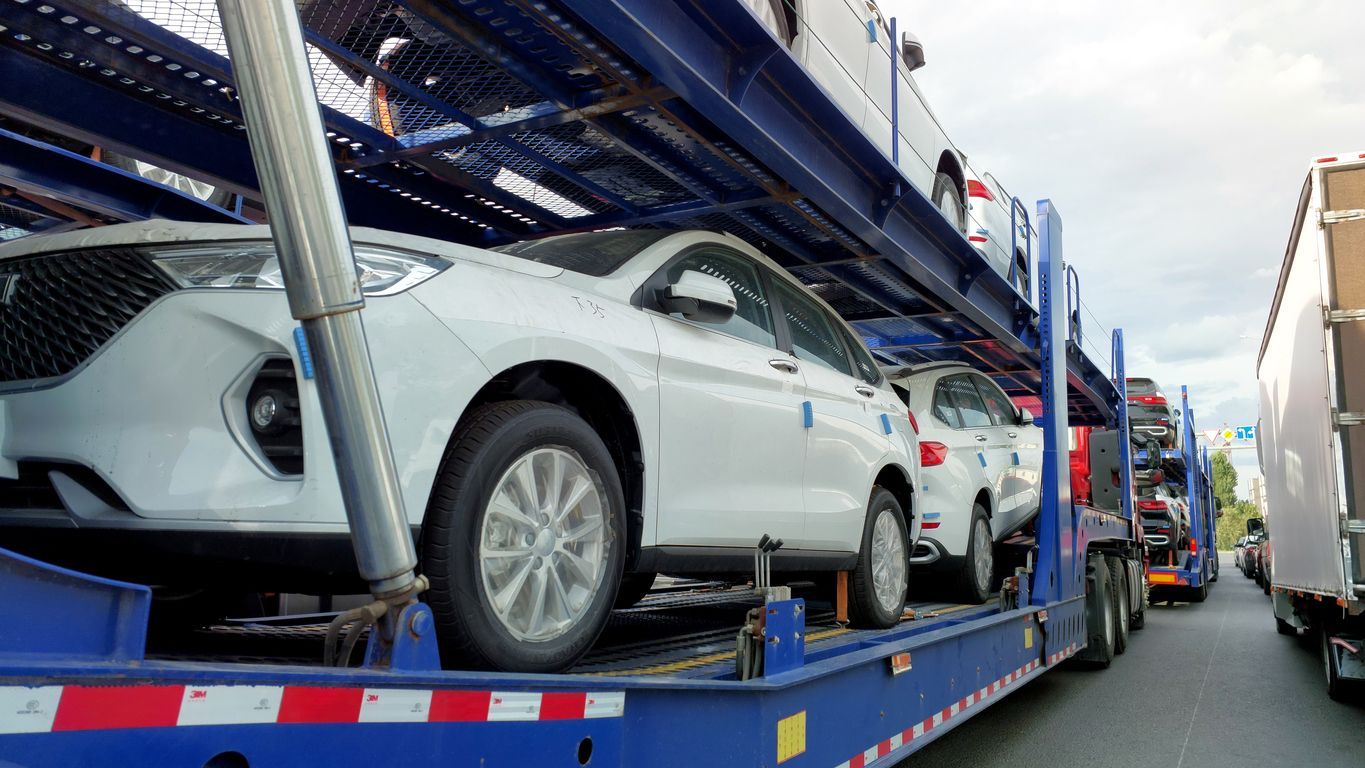
Finished vehicle logistics (FVL) refers to the process of transporting completed vehicles from manufacturers, ports, auctions, rail yards, and storage facilities to dealerships, fleets, or final destinations. As vehicle transportation operations become more complex, finished vehicle logistics plays a major role in maintaining visibility, efficiency, and communication across the supply chain. From dispatching and inspections to delivery documentation and real-time updates, transportation companies managing finished vehicle logistics operations need systems that can support fast-moving and detail-oriented workflows. What Does Finished Vehicle Logistics Include? Finished vehicle logistics operations often involve: Vehicle dispatching and transportation coordination Driver communication and trip visibility Vehicle inspections and damage documentation ePOD (electronic proof of delivery) Customer notifications and status updates Reporting and operational tracking Integration between dispatch, operations, and accounting workflows Because many transportation operations are managing large volumes of vehicles across multiple locations, maintaining operational visibility is critical. Why Visibility Matters in Finished Vehicle Logistics One of the biggest challenges in finished vehicle logistics is maintaining accurate communication and real-time operational visibility. Transportation companies need the ability to: Track trips and deliveries Document vehicle conditions Upload photos and inspection details Communicate between dispatch, drivers, and customers Quickly adapt to operational changes Without the right systems in place, delays, disconnected communication, and manual processes can slow operations down significantly. The Importance of Flexible Transportation Software Not every transportation company operates the same way. Many transportation management systems (TMS) are rigid and difficult to adapt as operational needs evolve. Finished vehicle logistics operations often require flexibility across: dispatch workflows reporting inspections notifications customer communication accounting integrations That flexibility becomes especially important when managing high-volume or detail-oriented transportation operations. How GoPhore Supports Vehicle Transportation Operations GoPhore helps transportation companies streamline operational workflows through tools like: dispatch management driver communication real-time trip visibility ePOD functionality photo documentation damage tracking operational reporting QuickBooks integration The platform is designed to support flexible transportation workflows while helping teams maintain visibility across daily operations. Final Thoughts As transportation operations continue evolving, finished vehicle logistics requires more than just basic dispatching tools. Visibility, documentation, communication, and operational flexibility all play a major role in keeping vehicle transportation workflows running efficiently. Looking for transportation software designed to support modern vehicle logistics operations? Contact GoPhore today to learn more about our transportation management solutions.
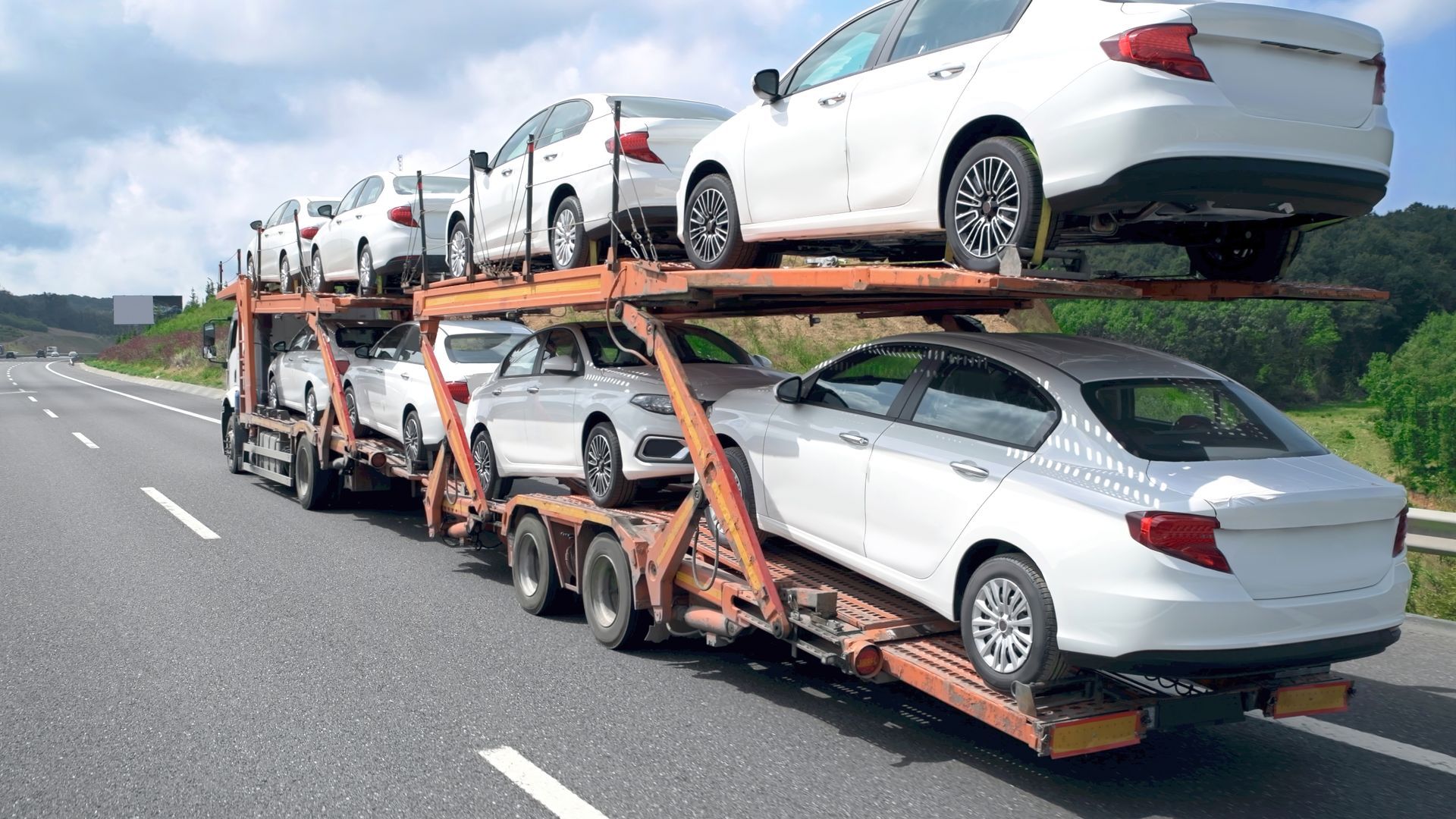
In auto transport, change isn’t the exception, it’s part of the job. Routes shift, timelines move, and customer needs evolve. The systems supporting these operations need to be able to keep up. But many transportation management platforms are built around fixed workflows, making it difficult to adjust when plans change. Where Traditional Systems Fall Short Most transport management systems are designed to create structure and consistency. While that can be helpful, it can also introduce limitations. When something changes, teams often have to: Manually adjust dispatch plans Work around rigid workflows Delay updates across drivers, dispatchers, and customers Over time, these challenges can slow down operations and create inefficiencies. A More Flexible Approach GoPhore takes a different approach, one that supports change within day-to-day operations. As Niles Schambers, Vice President, shared: “What you see isn’t just what you get.” That flexibility is supported through features such as: Drag-and-drop dispatching, allowing users to easily assign and adjust trips Real-time system updates, where “every step is automatically updated throughout the system” Real-time tracking and ETA visibility, giving both teams and customers up-to-date shipment information Automated email and SMS notifications, keeping customers informed at key milestones Custom changes and configurable features, allowing the platform to be tailored to specific operational needs Together, these capabilities help teams manage updates more efficiently while staying aligned across dispatch, drivers, and customers. Why Flexibility Matters Flexibility doesn’t just improve internal workflows, it also impacts the experience you deliver to your customers. In auto transport, delays, route changes, and shifting priorities are part of daily operations. When systems are rigid, even small updates can create miscommunication or slow down the process. GoPhore helps address this by bringing dispatching, tracking, communication, and documentation into one system. With tools like real-time tracking, automated status updates, and digital proof of delivery (ePODs), teams and customers stay aligned throughout the entire delivery process. The result is more consistent communication, better visibility, and a smoother experience for everyone involved. Final Thoughts In an industry where change is constant, flexibility plays an important role in maintaining efficiency and communication. With features that support real-time updates, customization, and visibility, GoPhore helps teams stay aligned and responsive as needs evolve.
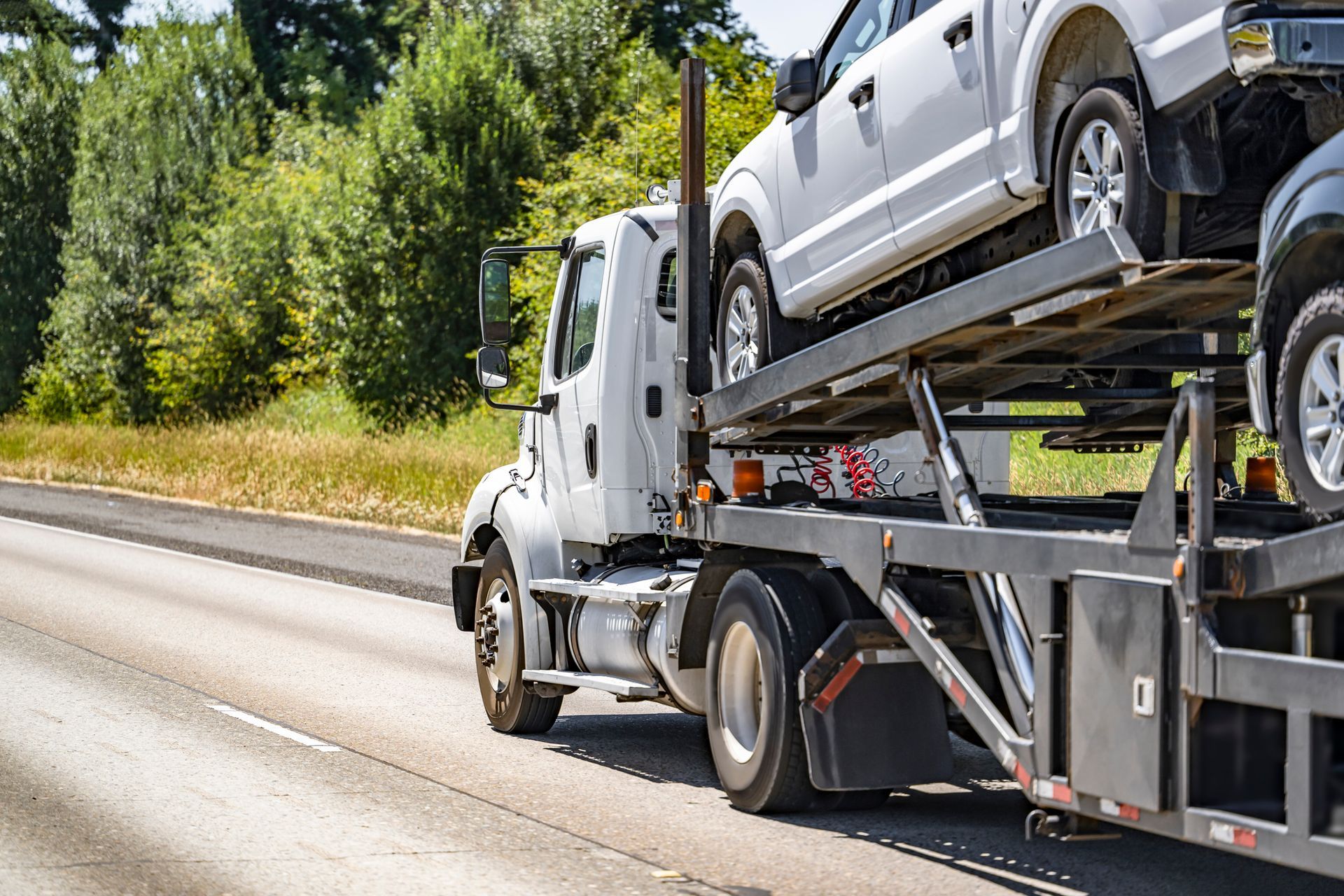
Driveaway operations come with their own set of challenges—unpredictable schedules, long-distance trips, and multi-stop routes that are tough to manage with traditional tools. As your company grows, the old ways of assigning drivers and tracking vehicles simply can’t keep up. GoPhore was designed to fix that. With an all-in-one dispatch, tracking, and mobile driver platform, GoPhore helps driveaway services scale their operations without losing control. Dispatch Like a Pro Managing driveaway jobs is no longer a manual headache. GoPhore’s drag-and-drop dispatch board lets you assign trips, build multi-stop routes, and adjust schedules on the fly. The system automatically notifies drivers, logs every move, and tracks it all in real time—so you can stay ahead of every job, not behind it. Empower Drivers in the Field Your drivers are your frontline—and with the GoPhore mobile app, they’re equipped with everything they need. From VIN scanning and inspection forms to mileage logs and expense tracking, drivers can do it all from their phone. No more paperwork, no more end-of-day data entry. Real-Time GPS Tracking & eSignatures Need to know where a vehicle is? With live GPS tracking, dispatchers and customers can view locations, estimated arrival times, and delivery status instantly. When the job’s done, GoPhore collects electronic signatures and final documentation automatically. Track Expenses and Settle Faster GoPhore’s built-in expense tracking lets drivers log fuel, tolls, and lodging costs while on the road. That data flows directly into your back-office accounting, making payroll, settlements, and invoicing faster and more accurate. Scale your driveaway business the smart way. GoPhore turns complex logistics into streamlined operations. 👉 Book a demo today to see how you can simplify, scale, and succeed with GoPhore.

Car auctions run on tight schedules and quick turnarounds. Whether you’re transporting vehicles across the state or to a nearby lot, speed and accuracy are key to keeping customers happy and maximizing revenue. GoPhore is built for this high-pressure environment, giving car haulers the tools to thrive—no matter how busy the auction floor gets. Instant VIN Scanning & BOL Generation Time is money when you're navigating a crowded lot. GoPhore allows drivers to scan a VIN and instantly pull up vehicle info, create a bill of lading (BOL), and begin the inspection process—all in one app. No more writing VINs by hand or juggling paper forms in the rain. Seamless Office & Driver Communication Once a pickup is scanned and logged, it syncs automatically with the GoPhore dashboard. Dispatchers can monitor vehicle status, track routes, and assign new jobs in real time. No phone tag. No waiting on paperwork. Just smooth operations and instant updates. Integrated With Auction Systems Whether you’re moving vehicles from Manheim, Adesa, or independent auctions, GoPhore integrates easily with external systems and supports EDI workflows. Auto-generated invoices and customizable delivery reports save time and improve accuracy—so your team can focus on growing, not typing. Transparent Vehicle Tracking GoPhore keeps buyers informed with GPS tracking, live ETAs, and instant delivery confirmation. You’ll spend less time handling customer questions and more time fulfilling orders. For fleet managers, it’s a no-brainer: real-time visibility leads to better decision-making
In the auto transport world, every detail matters. A missed signature, unclear damage documentation, or lost delivery receipt can snowball into costly claims and unhappy customers. That’s why more and more car haulers are turning to digital solutions like GoPhore to streamline their proof of delivery process. GoPhore’s mobile-first platform replaces outdated paperwork with electronic proof of delivery (ePOD) tools that give your drivers, dispatchers, and customers real-time visibility and confidence at every step of the delivery journey. Goodbye Paper. Hello Precision. Forget the clipboards, paper BOLs, and smudged ink. With GoPhore, drivers can log deliveries from their phones or tablets in seconds. They simply scan the VIN barcode, complete an inspection checklist, upload damage photos, and collect signatures—all from the app. Each action is tied to a timestamp and geolocation, eliminating guesswork or disputes. Damage Disputes? Not Anymore. GoPhore supports AIAG-compliant vehicle inspection processes, including Red Light / Green Light indicators and photo-based annotations. If damage is present, drivers can tag it right on the vehicle image, ensuring clarity and consistency. This documentation reduces claims by providing irrefutable evidence of a vehicle’s condition at the time of pickup or drop-off. Faster Claims, Better Reputation. Because GoPhore creates a full digital trail, insurance claims become faster and easier to resolve. No more chasing drivers for paperwork or dealing with inconsistent reporting. Everything you need is stored securely in the system and backed up in the cloud. Customers Stay in the Loop GoPhore automatically notifies customers with pickup confirmations, delivery updates, and ETAs via text or email. This not only saves your team from fielding “Where’s my car?” calls—it improves your reputation for transparency and professionalism. Ready to modernize your deliveries? GoPhore’s digital ePOD system is more than a convenience, it’s a competitive advantage. 👉 Book a demo today to see it in action and make lost paperwork a thing of the past.
In auto transport, profitability is often associated with fuel costs, equipment, and driver availability. While those factors matter, the real determinant of profit or loss usually sits at the center of daily operations: dispatching. Dispatching is not just about assigning loads. It is the system that connects vehicles, drivers, routes, and time. When done well, it maximizes revenue from every mile driven. When done poorly, it quietly drains margins through inefficiency, wasted time, and missed opportunities. Dispatching Controls Revenue Per Mile Every load decision affects how much revenue a carrier earns per mile. A dispatcher choosing the right driver for the right load at the right time can increase utilization without adding trucks or drivers. Smart dispatching ensures: Drivers are consistently moving, not waiting Loads are grouped efficiently by location and destination Routes reduce empty or deadhead miles When dispatch decisions are based on real-time data instead of guesswork, carriers can move more vehicles with the same resources. That is direct revenue growth without increased overhead. Poor Dispatching Creates Hidden Costs Many auto transport companies underestimate how much poor dispatching costs them. These losses rarely show up as a single line item, but they compound every day. Common hidden costs include: Drivers sitting idle between loads Extra fuel spent on inefficient routing Missed pickup and delivery windows Overtime pay caused by poor scheduling Customer dissatisfaction leading to lost repeat business Each of these issues traces back to dispatch visibility. Without accurate, real-time information on vehicle availability, driver schedules, and destinations, dispatchers are forced to react instead of plan. Real-Time Data Turns Dispatching Into a Profit Engine Modern dispatching platforms transform dispatch from a reactive task into a strategic advantage. With live data, dispatchers can see the full operational picture before assigning loads. Real-time dispatching allows carriers to: Match loads to drivers based on location and availability Adjust routes instantly when conditions change Balance workloads across drivers Avoid overbooking or underutilizing capacity Instead of managing problems after they occur, dispatchers can prevent them altogether. The result is smoother operations and stronger margins. Better Dispatching Improves Driver Retention Driver turnover is expensive. Recruiting, onboarding, and training new drivers costs time and money. Dispatching plays a major role in whether drivers stay or leave. Clear routes, realistic schedules, and fair load assignments all come from effective dispatching. When drivers feel their time is respected and their routes make sense, satisfaction increases. Efficient dispatching helps drivers: Earn more with fewer wasted miles Avoid last-minute changes and confusion Maintain predictable schedules Happy drivers are productive drivers, and productivity directly impacts profitability. Dispatching Connects Every Part of the Business Dispatching sits at the intersection of sales, operations, customer service, and finance. It determines whether promises made to customers can be kept and whether jobs can be completed profitably. When dispatching is data-driven: Customers receive accurate ETAs Operations run predictably Billing and reporting become more accurate Leadership gains visibility into performance metrics Dispatching is not a back-office function. It is the operational backbone that determines how efficiently the entire business runs. Why Dispatching Deserves More Attention In auto transport, trucks do not generate profit on their own. Drivers do not either. Profit comes from how well resources are coordinated. Dispatching is where that coordination happens. Companies that treat dispatching as a strategic function, supported by real-time data and modern tools, consistently outperform those that rely on manual processes and outdated systems. In today’s competitive auto transport market, dispatching is no longer just an operational necessity. It is the real profit center.

Although it is a staple of the modern transportation industry, finished vehicle logistics continues to represent a unique approach to handling damages and hold management. For those who may not be familiar with this term, finished vehicle logistics refers to all of the activities taking place after a new consumer vehicle leaves the factory until the point when it reaches the dealer. Generally speaking, the main activities involved in this process include the storage, post-production modifications and/or pre-delivery inspections that occur before delivering the final product (in this case automobiles) to the customer. Due to such a meticulous shipping process, finished vehicle logistics relies heavily on specialized storage, workshops, and transportation especially. This means that the trucks and trailers designed to handle these orders also need drivers who are able to handle these orders amidst the high risk of damaging the product. How Damages Arise in Finished Vehicle Logistics When we’re talking about finished vehicles, it’s not uncommon for the conversation to enter into international markets. Considering that no consumer car in America is completely sourced and assembled in the United States (sorry to break it to you), the logistics behind finished vehicles is an increasingly complex and dynamic topic. Cars and their parts can come from multiple places around the globe, so it’s no surprise that damages mostly occur when they’re being handled. Whether driving on and off of the various modes of transport or just between different storage compounds, errors are often quite pricey. Any number of damages can occur during the shipping process, each with their own specific code and in-depth description . But besides the obvious factor of human error, adverse water conditions (especially hail) and airborne contamination from industrial areas also present significant risks for finished vehicle shippers and their customers. Even the smallest damage to a vehicle can have a disproportionately negative effect on the overall cost of the process. Any needed repairs, even if relatively minor, ultimately delay the delivery and can eventually end up hurting the manufacturer’s reputation – a sort of “supply-chain reaction” if you will. North American Conferences on an International Industry With the past 7 years have seen recovery and growth for the industry, the recent Finished Vehicle Logistics North America conference brought top leaders together to reflect and look toward the future. Held in Newport Beach, California, the conference came at a time when production volume and sales continue to climb, fuel costs are low, and service levels in both rail and truck transportation are high – a great time to be in the industry. PwC Autofacts’ recent predictions call for sales to reach nearly 17.8 million units this year due to the shift toward more people buying SUVs, crossovers, and trucks. Meanwhile, mid-sized sedans and small cars have actually shown a decline. This basically means that the bigger the product, the more shipments companies in the finished vehicle transportation industry get to make – and that means more money. Though despite years of an exceptionally healthy market, many analysts are skeptical as to how long this good fortune is going to last. Some fear that the U.S. vehicle market may soon be approaching a peak, leading to several years of stagnating or even declining sales. The true question is how prepared carmakers and their logistics providers may be able to handle a future downturn. As Chairman of Jack Cooper Holdings, Sarah Amico aptly noted, “downturns give us the chance to eliminate waste, to acquire new business, to tighten operations and drive innovation by way of necessity.” Hopefully, things will remain vibrant for this critical portion of the transportation industry, although it would seem that many are already preparing for the worst despite the best of times. For now, logistic companies dealing with finished vehicles can enjoy a growing industry and healthy numbers, made more efficient with technology every day.
Auto Hauling The life of an auto hauler is quite exciting; each day brings a new and interesting challenge as no two days at work are the same. While those are the perks of the job, there’s no denying that it can be a tad on the stressful side too. Or rather, it used to be before the technological geniuses came up with software to make their jobs a heck of a lot easier. We’re not just talking any software here; we’re talking GoPhore, the best software anyone in the auto hauling industry could ever ask for. GoPhore, in its very simplest terms, is a secure, web-based software designed to be used by anyone in the auto hauling industry. So what makes GoPhore so special and ground breaking, you ask yourselves? GoPhore can be used for pretty much everything in the autohauling industry; dispatching, tracking, quoting, auctions and even customer notifications and ePODs, GoPhore has you covered. The software makes it easy for the driver to plan their route quickly and conveniently with its easy to use drag and drop feature. Drag and drop the orders, and your trip will be laid out for you. And the great thing is that you can schedule lots of trips for one single driver at the same time, which is something that couldn’t really be achieved before. Pretty cool, right? That’s not all the GoPhore does, either. It has the capability to capture customer signatures, meaning you don’t have to travel around with heavy books and constantly worry about losing your pen or the customer accidentally running off with it. You can even record your expenses such as fuel as you go along, making it easier to settle with your employer when the time comes. GoPhore is great for the customer too thanks to the auto-tracking and auto-updating features. This means that they will know exactly where you are, so they can prepare themselves for your arrival. Perfect if you’re running a little late due to unforeseen circumstances such as traffic or road accidents. Happy customers that aren’t stuck behind the door waiting for their package are always a good thing. Other features which are great for the customers include the automated emails, which are sent when the item is dispatched, picked up by the driver, on its way, and of course, delivered. This is particularly important if the package was delivered to a neighbour; they won’t be able to get away with saying it wasn’t delivered and keeping it themselves (something which unfortunately has happened in the past) as the customer will have a direct notification that it arrived safely.

Proof of deliveries has been around for a very long time. In their simplest form, an ePOD is just a method to verify that an item has been delivered to the intended recipient. Once technology started to become integral to our day to day life, delivery services started to implement it for their systems. Hence, making ePOD software and capturing signatures with tech rather than paper. How it Affects the Auto Hauling Industry There is a lot of legal standing in a proof of delivery. When you sign for one, that means you are releasing the shipper from the responsibility of the goods delivered. In the United States, DHL, UPS and FedEx as well as the US postal service (USPS) provide proof of delivery. Commercial fleet operators also need to be able to confirm proof of delivery of goods to their customers. If you sign for something without checking it, it is a lot more difficult to make a claim down the road. So always check your goods. The Future of ePOD With technology being at our fingertips, most industries are starting to become more and more regulated. When you ship for manufacturers they usually have a lot of rules behind accepting ePODs. You have to ensure that your software provider is compliant. Just like how GoPhore is compliant with AIAG standards for working with OEM car manufacturers. Same with data logistics companies such as Norad, ICL, WWL, etc. What This Means For You The earlier you start looking for an ePOD solution the better off you will be. You are essentially “future proofing” your logistics company. Setting up EDI with manufacturers makes this even more efficient. Another great problem that is solved by doing this is that your company can automate so many facets of billing. Future Proof your Company Today!